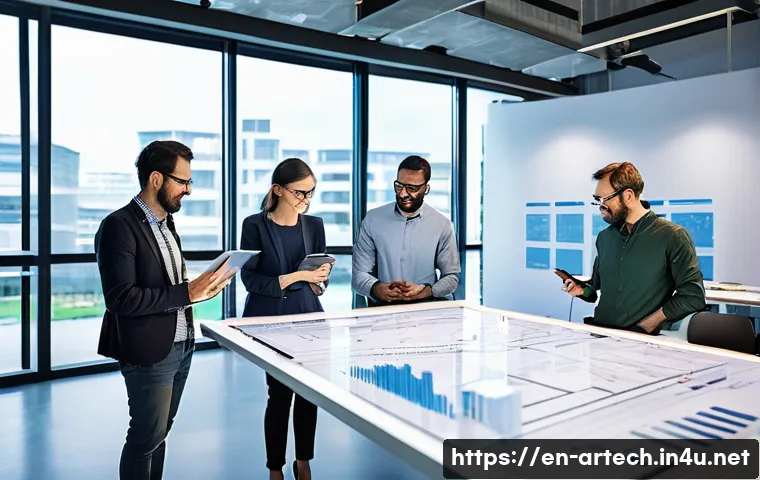
Walking through a city like London or New York, you might not immediately realize the sheer global collaboration that goes into its iconic skyline. As an architectural engineer, my career has been an incredible journey, shifting from local blueprints to massive, cross-continental endeavors.
I recall the feeling of awe – and frankly, a bit of overwhelm – when I first joined a team designing a high-rise in a completely different cultural context; the codes, the climate, even the material sourcing were worlds apart from what I knew back home.
It’s not just about crafting beautiful buildings; it’s about navigating a world that’s constantly evolving, bringing with it both exhilarating opportunities and unexpected challenges.
It’s truly a testament to how interconnected our world has become. The role of an architectural engineer today isn’t solely about structural integrity or aesthetic appeal; it’s increasingly about navigating a complex tapestry of international regulations, cutting-edge sustainable practices, and integrating technologies like advanced BIM, AI-driven design, and even blockchain for transparent supply chains.
From my experience, we’re talking about projects where resilience isn’t just a buzzword, but a deeply embedded principle, aiming for net-zero emissions or structures that can withstand unpredictable climate shifts and geopolitical shifts.
The modern architectural engineer truly stands at the nexus of innovation, global strategy, and environmental stewardship, grappling with everything from localized material supply chain disruptions to the imperative of designing for a future shaped by urbanization and smart city concepts.
Let’s explore further below.
The sheer dynamism of the architectural engineering world today is something I find endlessly fascinating, even after years in the trenches. It’s not a static field; if anything, it’s a living, breathing entity that adapts, grows, and pushes boundaries with every new innovation and global shift.
I’ve seen firsthand how a seemingly straightforward design challenge in one city can morph into a multi-layered global puzzle when you factor in local regulations, available materials, and even the cultural nuances of space.
It’s this intricate dance between art, science, and international collaboration that truly defines modern architectural engineering. The initial awe I mentioned?
It’s still there, just now it’s tempered with a deep understanding of the complexities and the immense satisfaction of seeing a vision rise from the ground up, often with contributions from teams spread across continents.
Shifting Paradigms in Global Design Collaboration
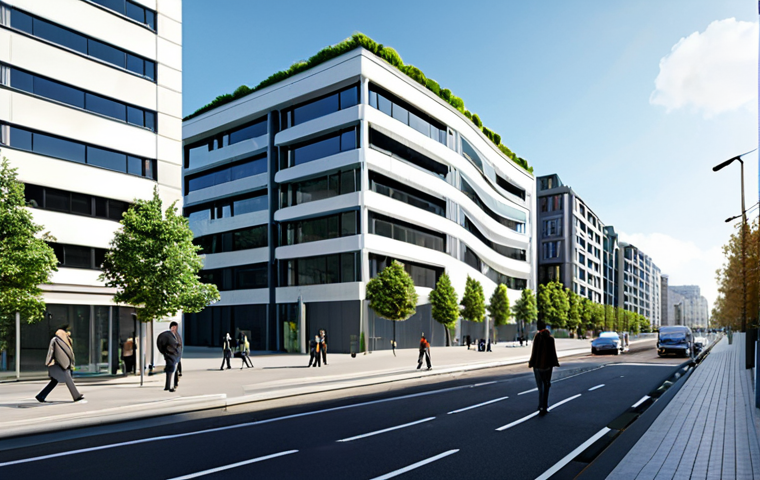
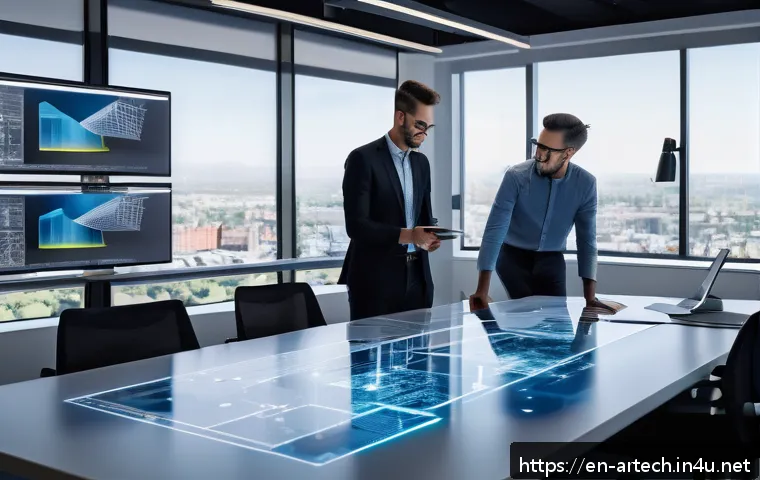
When I started my career, the idea of a design team being spread across three time zones, collaborating on a single Building Information Model (BIM) in real-time, felt like something out of a futuristic movie.
Yet, today, it’s not just common; it’s practically the norm for any significant global project. I recall a particularly challenging project for a new commercial hub in Southeast Asia.
Our lead architect was in London, the structural engineers were in New York, and the MEP (mechanical, electrical, plumbing) specialists were based out of Singapore.
The initial hurdle wasn’t just technical; it was about bridging cultural communication styles and ensuring everyone was literally on the same page, despite the vast geographical distances.
It taught me invaluable lessons about flexibility and the absolute necessity of robust, shared digital platforms. This interconnectedness allows for tapping into diverse expertise and optimizes resource allocation in ways that were unimaginable even a decade ago, truly democratizing where talent can originate from.
1. Bridging Geographical Divides with Digital Tools
The evolution of collaborative design platforms has been nothing short of revolutionary. I remember the early days of sharing large CAD files via FTP – a process fraught with version control nightmares and endless email chains.
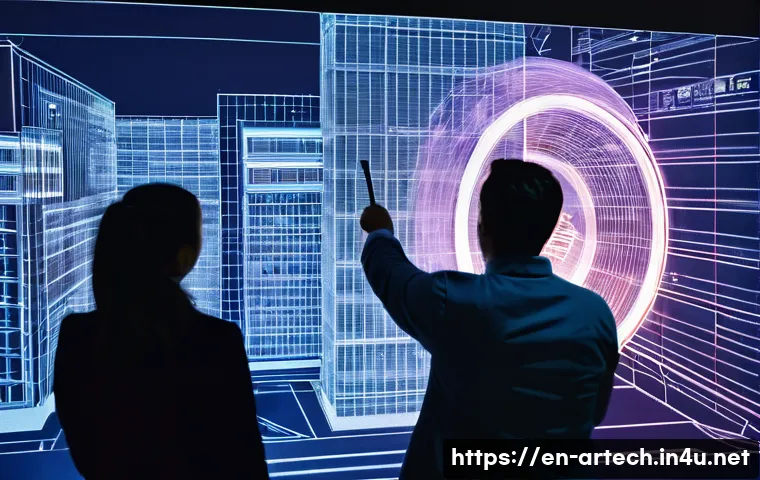
Now, with cloud-based BIM platforms and real-time rendering engines, teams can literally “walk through” a virtual building together, making instantaneous design decisions and identifying clashes before they even make it to the construction site.
This isn’t just about efficiency; it’s about fostering a sense of shared ownership and creativity, irrespective of physical location. I’ve personally experienced the excitement of a live design review where an engineer in Dubai could instantly visualize the impact of a structural change proposed by an architect in Berlin, leading to a much more agile and integrated design process.
2. Navigating the Nuances of Cross-Cultural Design
Beyond the technical, the human element in global collaboration is profound. Every region has its own aesthetic sensibilities, functional priorities, and regulatory frameworks.
For instance, designing a residential complex in Tokyo requires a deep understanding of seismic considerations and space optimization, while a public building in Berlin might prioritize sustainability and a particular sense of civic grandeur.
I’ve found that the most successful global projects are those where local expertise isn’t just consulted but deeply integrated from the outset. It’s about listening, learning, and adapting.
This often means challenging preconceived notions and embracing a design language that respects local context while still achieving global standards of engineering excellence.
The Imperative of Sustainable and Resilient Engineering
Sustainability isn’t just a buzzword in architectural engineering anymore; it’s the bedrock of every design choice we make. I’ve witnessed a profound shift from merely “green” building initiatives to genuinely regenerative design principles, aiming for net-zero or even net-positive environmental impacts.
The urgency is palpable, especially when you’re on site in regions experiencing the tangible effects of climate change, whether it’s rising sea levels or extreme weather events.
Designing for resilience, for me, has moved beyond just earthquake-proofing or wind resistance; it now encompasses designing for adaptability to unpredictable climate shifts, resource scarcity, and even social dynamics.
This holistic approach means looking at the entire lifecycle of a building, from the embodied energy in materials to its end-of-life deconstruction, and striving to minimize its ecological footprint at every stage.
1. Beyond Green: Embracing Regenerative Design
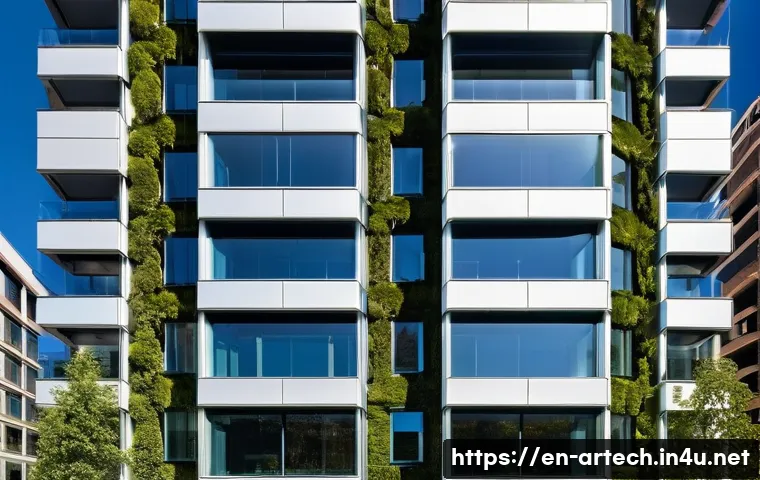
I recall one project where we consciously chose to incorporate locally sourced, recycled concrete aggregates and a living green roof system that significantly reduced the urban heat island effect and managed stormwater runoff.
It wasn’t the cheapest option upfront, but the long-term operational savings and environmental benefits were undeniable. We’re moving towards buildings that act as active participants in their ecosystems, purifying air, generating energy, and managing water, rather than merely existing within them.
This involves pioneering techniques like passive house design, leveraging natural ventilation, and integrating renewable energy sources directly into the building’s fabric, turning structures into energy producers rather than just consumers.
2. Building for an Unpredictable Future: Climate Resilience
The architectural engineering community is at the forefront of designing structures that can withstand and recover from increasingly intense natural events.
I’ve been involved in projects in coastal areas where designing for future sea-level rise and storm surges became a paramount concern, requiring elevated foundations and resilient material choices.
It’s a sobering but necessary challenge to consider not just today’s climate, but the projected conditions decades into the future. This requires close collaboration with climate scientists and urban planners, integrating predictive models into our structural and material specifications.
We are, in essence, engineering hope and stability in an uncertain world.
Leveraging Cutting-Edge Technology for Architectural Innovation
The toolkit of an architectural engineer has expanded exponentially thanks to advancements in technology. From advanced computational design to artificial intelligence, these tools aren’t just making our jobs easier; they’re fundamentally changing what’s possible.
I vividly remember the “aha!” moment when I first saw how AI algorithms could optimize a complex facade design for solar gain and wind loads simultaneously, achieving efficiencies that would take human engineers weeks to calculate manually.
It’s exhilarating to think that the same technologies that power self-driving cars are now helping us build smarter, more efficient, and safer buildings.
This isn’t about replacing human ingenuity, but augmenting it, allowing us to focus on the higher-level creative and problem-solving aspects of design.
1. AI and Generative Design: Redefining Possibilities
The impact of AI on design optimization is truly transformative. I’ve utilized generative design tools that can explore thousands of design permutations based on defined parameters – whether it’s structural efficiency, material cost, or aesthetic appeal – in a fraction of the time a human could.
This allows us to push beyond conventional solutions and discover novel, often counter-intuitive, design forms that are both aesthetically pleasing and structurally optimal.
For me, it’s like having an incredibly powerful co-pilot that can run through countless scenarios, freeing up my own creative bandwidth to refine the human experience within these innovative spaces.
2. The Power of Predictive Analytics and Digital Twins
Imagine a building that can tell you when a critical system is about to fail, or predict its energy consumption based on occupancy patterns. That’s the promise of predictive analytics and digital twins, and it’s rapidly becoming a reality in architectural engineering.
I’ve worked on projects where a “digital twin” of the building, a real-time virtual replica, was created even before construction began. This twin continues to gather data from sensors within the physical building throughout its lifespan, allowing for predictive maintenance, optimizing operational efficiency, and even informing future design iterations.
It provides an unprecedented level of insight into a building’s performance, ensuring longevity and sustainability.
The Human Element: Designing for Community and Well-being
While technology and grand global projects often dominate the headlines, at the core of what we do is designing spaces for people. I’ve always believed that the true measure of a building’s success isn’t just its structural integrity or its aesthetic appeal, but how it impacts the lives of those who inhabit it.
The pandemic, in particular, brought into sharp focus the critical importance of designing for well-being, whether it’s through access to natural light, improved indoor air quality, or flexible spaces that adapt to changing needs.
I find immense satisfaction in knowing that my work, in some small way, contributes to creating environments that foster health, happiness, and a sense of community.
It’s a constant reminder that for all the steel and concrete, we’re ultimately building for humanity.
1. Prioritizing Occupant Health and Comfort
Designing for human well-being means delving into aspects beyond mere compliance. It involves considering things like biophilic design – integrating nature into the built environment to reduce stress and improve cognitive function.
I’ve personally seen the positive impact of maximizing natural light, using non-toxic materials, and optimizing acoustics on the mood and productivity of building occupants.
It’s no longer a luxury; it’s an expectation. This holistic approach ensures that buildings don’t just stand tall but actively contribute to the physical and mental health of their users.
2. Adaptive Reuse and Community-Centric Planning
A trend that truly excites me is the growing emphasis on adaptive reuse – transforming existing structures into vibrant new spaces. It’s an incredibly sustainable approach, reducing waste and preserving architectural heritage, but more importantly, it often breathes new life into communities.
I was involved in a project that converted an old, disused warehouse into a multi-functional community arts center, and seeing the local residents embrace it with such enthusiasm was incredibly rewarding.
It underscores that architectural engineering isn’t just about building new; it’s also about reimagining and revitalizing, always with the community’s needs and aspirations at its heart.
Key Considerations in Global Architectural Projects
Engaging in international architectural projects brings a unique set of challenges and opportunities. Based on my direct involvement in various cross-border endeavors, I’ve come to appreciate that success hinges not just on engineering prowess but on a nuanced understanding of external factors.
From the initial conceptualization to the final handover, every stage is influenced by a diverse range of local conditions and global standards.
| Factor | Traditional Local Project Focus | Modern Global Project Imperatives |
|---|---|---|
| Regulatory Compliance | Adherence to national building codes and local zoning laws. | Navigating diverse international codes (e.g., Eurocodes, IBC, specific national standards), often requiring cross-certification and specialized legal counsel. |
| Material Sourcing | Primarily local or established domestic supply chains. | Complex global supply chains, requiring extensive logistics planning, ethical sourcing verification, and consideration of import/export duties and material availability fluctuations. |
| Environmental Standards | Meeting national environmental regulations (e.g., LEED, BREEAM at a basic level). | Adhering to stricter regional or international sustainability mandates, often targeting net-zero, circular economy principles, and resilience against local climate change impacts. |
| Cultural Context | General understanding of local aesthetics and functional needs. | Deep cultural immersion, respecting local customs, social norms, historical precedents, and design preferences to ensure user acceptance and project integration. |
| Risk Management | Focus on construction risks, budget, and schedule. | Expanded scope to include geopolitical stability, currency fluctuations, intellectual property protection, and managing diverse stakeholder expectations across different legal systems. |
1. Navigating Diverse Regulatory Landscapes
One of the trickiest aspects of global projects is reconciling vastly different building codes and regulatory environments. What’s standard practice in London might be completely unworkable, or even illegal, in Singapore.
I’ve spent countless hours with legal teams and local consultants deciphering intricate planning laws and environmental impact assessments across different jurisdictions.
It’s not just about understanding the letter of the law, but also its interpretation and the local bureaucratic processes, which can vary wildly. This often means early and continuous engagement with local authorities to prevent costly delays and rework, a lesson I learned early in my career.
2. The Complexities of Global Supply Chains
Material sourcing in a global project is a logistical masterpiece in itself. You might be sourcing specialized glass from Germany, structural steel from South Korea, and advanced HVAC systems from the United States, all converging on a construction site in the Middle East.
Beyond the sheer complexity of transportation and customs, there’s the critical need for ethical sourcing and ensuring that materials meet rigorous international quality standards.
I’ve personally experienced the frustration of delays caused by unforeseen port closures or geopolitical events impacting shipping lanes, highlighting the need for highly resilient and diversified supply chain strategies in modern architectural engineering.
Future-Proofing Our Built Environment: Smart Cities and Beyond
The concept of “smart cities” is no longer confined to science fiction; it’s actively shaping the future of architectural engineering. We’re moving towards integrated urban ecosystems where buildings communicate with each other, with infrastructure, and with their occupants to optimize resource use, enhance public safety, and improve overall quality of life.
My involvement in developing frameworks for smart urban developments has shown me that this isn’t just about embedding sensors; it’s about creating interconnected digital layers that enable intelligent decision-making, from traffic flow management to dynamic energy grids.
It’s an incredibly exciting frontier, demanding a collaborative vision that extends far beyond individual buildings to encompass entire urban fabrics.
1. Integrating IoT and Data Analytics into Urban Planning
Imagine a city where streetlights dim automatically based on pedestrian traffic, or where waste collection is optimized by real-time data from bins. These are not distant dreams but active projects I’ve seen implemented.
Architectural engineers are increasingly working alongside data scientists and urban planners to design buildings that are integral parts of a larger, intelligent network.
This involves embedding Internet of Things (IoT) sensors into structures to monitor everything from air quality and structural integrity to occupancy rates, feeding data into central analytical platforms that inform everything from maintenance schedules to long-term urban planning.
2. The Ethical Dimensions of Smart Infrastructure
As we build increasingly intelligent cities, ethical considerations become paramount. Questions around data privacy, cybersecurity, and equitable access to smart technologies are central to responsible architectural engineering.
I’ve been part of discussions where the balance between convenience and privacy was carefully weighed when designing smart access systems or public surveillance infrastructure.
It’s a critical dialogue, ensuring that our technological advancements serve humanity without compromising fundamental rights. We must always strive to design not just for efficiency, but for fairness and inclusivity, making sure the benefits of smart cities are accessible to all segments of society.
Conclusion
As I reflect on the journey architectural engineering has taken, and continues to take, it’s clear we are at a pivotal moment. The challenges of climate change, rapid urbanization, and a globally interconnected world demand innovative solutions and a deeply collaborative spirit. What truly excites me is the boundless potential of our field to shape not just skylines, but also societies, ensuring our built environment is not only resilient and sustainable but also deeply human-centric. It’s a career path that consistently challenges, inspires, and ultimately, rewards those who are passionate about building a better future, brick by digital brick.
Useful Information
1. Stay Current with Tech: The pace of technological change in AE is relentless. Regularly engage with industry journals, webinars, and conferences to keep up with the latest in BIM, AI, and generative design tools. Don’t be afraid to experiment with new software.
2. Cultivate Global Awareness: For anyone aspiring to work on international projects, a keen understanding of diverse regulatory frameworks, cultural nuances, and global supply chain logistics is invaluable. Consider courses or workshops focused on international project management.
3. Network Widely: The architectural engineering community is incredibly collaborative. Attending industry events, joining professional organizations (like the AIA, ICE, or local chapters), and connecting with peers can open doors to new opportunities and knowledge sharing.
4. Embrace Sustainability Certifications: Credentials like LEED AP, WELL AP, or BREEAM Assessor are becoming increasingly vital. They demonstrate a commitment to sustainable practices and provide a recognized benchmark of expertise in green building principles.
5. Focus on Soft Skills: Beyond technical prowess, strong communication, adaptability, and problem-solving skills are paramount. In a field increasingly driven by interdisciplinary and global teams, the ability to articulate ideas and navigate complex human dynamics is often the true differentiator.
Key Takeaways
The architectural engineering landscape is rapidly evolving, driven by global collaboration, an urgent push for sustainability and resilience, and transformative technological advancements like AI, predictive analytics, and digital twins. Crucially, the core mission remains anchored in designing human-centric spaces that prioritize well-being and community, ensuring that our innovative structures contribute positively to society and are prepared for an unpredictable future. Navigating diverse regulatory landscapes and complex global supply chains are also vital competencies for success in this dynamic field.
Frequently Asked Questions (FAQ) 📖
Q: Given how interconnected our world has become, what’s the most surprising or significant shift you’ve observed in the architectural engineering field compared to, say, a decade ago?
A: Honestly, it’s the profound shift from being primarily a ‘local’ expert to a global navigator. When I started, it was all about mastering local codes and material specs for projects just down the road.
Now? It’s like being a diplomat, technologist, and environmentalist all rolled into one. I remember one high-stakes project, a major residential complex in the Middle East, where we were sourcing specialty glass from Germany, steel from China, and had a design team spread across three continents – London, Singapore, and New York.
The sheer complexity of navigating international regulations, cultural nuances, and logistical nightmares for materials was a whole new discipline! It’s not just about drawing lines anymore; it’s about managing an incredibly intricate, global ballet of resources, regulations, and cultures.
That’s a huge, frankly exhilarating, shift from even ten years ago.
Q: The text mentions resilience and net-zero emissions. How has the emphasis on sustainability profoundly changed the practical day-to-day work for an architectural engineer?
A: Oh, it’s absolutely fundamental now, not just a nice-to-have or a niche. Back when I started, ‘green building’ was often an optional extra that sometimes got value-engineered out if budgets got tight.
Today, for many clients – especially those aiming for landmark status or long-term value – it’s the absolute baseline. We’re constantly grappling with lifecycle assessments, embodied carbon calculations, and designing for adaptability.
We’re not just thinking about how a structure will perform for 50 years, but 100 or even more, facing unpredictable climate shifts and resource scarcity.
For instance, on a recent project for a new commercial tower near Canary Wharf, we spent months modeling extreme weather scenarios, specifying low-carbon concrete, and integrating advanced rainwater harvesting systems, all while pushing for a BREEAM Outstanding rating.
It adds layers of complexity, requiring constant collaboration with environmental consultants, but it’s incredibly rewarding to know you’re building for a genuinely sustainable future, not just a pretty facade that will quickly become obsolete.
Q: You touched on integrating advanced technologies like BIM,
A: I, and blockchain. Can you elaborate on how these are practically transforming project execution and what unique challenges they introduce? A3: They’re not just buzzwords; they’re genuinely revolutionizing how we work, but not without their headaches!
BIM, for example, is our central nervous system now. We’re not just passing 2D drawings around; we’re collaborating on a single, intelligent 3D model, detecting clashes virtually before they cost a fortune and major delays on-site.
AI? It’s stepping into areas like generative design, helping us explore thousands of optimal structural layouts in minutes that would take weeks manually.
And blockchain for supply chains? It’s still somewhat nascent in widespread adoption, but the promise of irrefutable transparency on where every bolt, beam, or even square meter of glass comes from – proving ethical sourcing, carbon footprint, or verifying material quality – is immense.
The primary challenge, though, is the sheer pace of technological change and ensuring seamless interoperability between all these diverse platforms. Getting everyone on the same digital page, from local contractors in Manchester to international suppliers in Seoul, adopting and consistently using these cutting-edge tools – that can be a real beast.
I vividly remember debugging a model conflict across different software versions between our structural team in Boston and the MEP team in Dubai; it felt like trying to translate ancient scrolls between two warring factions.
But when it works, oh, the efficiency gains and reduction in costly reworks are truly phenomenal!
📚 References
Wikipedia Encyclopedia
구글 검색 결과
구글 검색 결과
구글 검색 결과
구글 검색 결과
구글 검색 결과