Hey there, future-forward thinkers and architecture enthusiasts! Have you ever stopped to marvel at how quickly our world is evolving, not just above ground but in the very foundations beneath our feet?
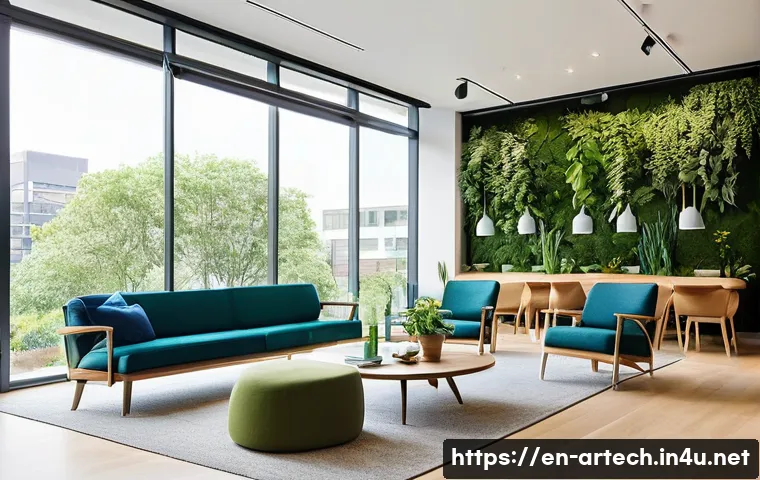
It genuinely feels like we’re at a pivotal moment, where the structures we build are becoming as smart and responsive as the nature that inspires them.
Architectural engineers are the brilliant minds leading this charge, crafting breathtaking designs that don’t just look incredible but also champion our planet’s well-being.
From ingenious net-zero buildings that produce their own energy to innovative materials that clean the air, the possibilities are truly endless. I’ve been fascinated watching these sustainable building technologies take shape, and honestly, the shift from merely *less harmful* to *actively regenerative* is incredibly inspiring.
This isn’t just about reducing impact; it’s about creating spaces that enhance life for generations to come. Let’s dive deeper and uncover the exciting details shaping our sustainable future!
The Greener Blueprint: Revolutionizing Design for a Sustainable Tomorrow
It’s truly incredible to witness how architectural engineers are reshaping our world, not just with steel and glass, but with an unwavering commitment to our planet.
I mean, who would have thought that buildings could actually *give back* to the environment? Gone are the days of simply minimizing harm; we’re now entering an era where structures are designed to be actively regenerative.
When I first started diving into this field, I was genuinely captivated by the sheer ingenuity involved. It’s like watching a real-life superhero story unfold, where the heroes are brilliant minds armed with innovative designs and eco-friendly materials.
The shift in mindset is palpable – it’s no longer just about erecting a magnificent edifice, but about creating a living, breathing space that harmonizes with its surroundings.
This holistic approach is what truly excites me, and frankly, it should excite everyone. Imagine a city where every building contributes positively to air quality, manages its own waste, and produces its own energy.
That’s not a distant dream anymore; it’s becoming our tangible reality, thanks to the tireless work of these incredible pioneers. We’re moving from just building *on* the earth to building *with* the earth, and that’s a beautiful, powerful transformation.
Beyond Aesthetics: The Unsung Heroes of Eco-Conscious Construction
When we talk about groundbreaking architecture, our minds often jump straight to the visual spectacle – the towering skyscrapers or the avant-garde designs that push conventional boundaries.
But honestly, the real magic, the unsung heroism, happens behind the scenes and beneath the surface, where architectural engineers meticulously weave sustainability into the very fabric of a building.
They’re the ones ensuring that the structure isn’t just a pretty face, but a high-performing, environmentally responsible entity. I recently toured a new office building in downtown Seattle, and what struck me wasn’t just its sleek exterior, but the sophisticated rainwater harvesting system quietly at work, or the clever natural ventilation pathways that drastically reduce reliance on air conditioning.
It made me realize that these hidden innovations are truly the backbone of sustainable living. They’re designing for longevity, for resilience, and for a minimal ecological footprint, even when you can’t immediately see it.
It’s about smart material choices, efficient structural systems, and intelligent building envelopes that keep us comfortable without costing the earth.
Smart Materials: Building Blocks of a Healthier Planet
Okay, let’s talk about materials, because this is where a huge chunk of the innovation lies, and honestly, it’s mind-blowing. Think about it: materials that literally *clean the air* or concrete that self-heals!
I remember attending a conference a couple of years ago and seeing a demonstration of transparent wood – yes, transparent wood! – which has incredible insulation properties and allows natural light to flood interiors, reducing energy consumption.
These aren’t just fancy gadgets; they’re foundational elements that are redefining what a building can *do*. We’re moving away from resource-intensive, high-carbon footprint materials to composites, recycled content, and biomaterials that are not only more sustainable but often outperform traditional options.
For me, it’s about shifting our perception of waste; what was once considered trash is now a valuable resource, meticulously re-engineered into something new and beneficial.
From mycelium bricks grown from fungi to highly efficient aerogel insulation, the future of building materials is not just green, it’s revolutionary and endlessly fascinating.
Powering Up Sustainably: Energy Independence, Building by Building
The dream of a building that generates all its own power, or even more than it needs, used to feel like something out of a sci-fi movie, didn’t it? But trust me, that future is *here*, and it’s exhilarating.
Architectural engineers are at the forefront of this energy revolution, turning our structures into active participants in the grid, rather than passive consumers.
I’ve always been a bit of an energy nerd, so seeing buildings literally become mini power plants is just incredibly satisfying. It’s about more than just slapping some solar panels on the roof; it’s a deeply integrated approach that considers every facet of a building’s energy lifecycle, from passive heating and cooling strategies to advanced energy storage solutions.
This isn’t just about saving money on utility bills, although that’s a pretty sweet bonus; it’s about achieving genuine energy independence and drastically reducing our carbon footprint.
The scale of this transformation is immense, and it’s happening in every corner of the globe, from residential homes to massive commercial complexes. We’re truly witnessing a paradigm shift in how we power our lives and our cities.
Net-Zero and Beyond: How Buildings Are Becoming Power Plants
The concept of “net-zero” has become a buzzword, and for good reason. It refers to buildings that produce as much energy as they consume over the course of a year, effectively neutralizing their operational carbon emissions.
But what’s truly exciting is the push *beyond* net-zero, towards “net-positive” or “living buildings” that actually generate more energy than they use and give back to the grid or their local ecosystem.
I vividly remember visiting a net-positive home in Boulder, Colorado, where the homeowners told me they *never* paid an electricity bill – in fact, they occasionally received checks from the utility company!
It was a real “aha!” moment for me, showcasing the tangible benefits and capabilities of these advanced systems. This is achieved through a combination of hyper-efficient design, superior insulation, smart energy management systems, and robust renewable energy generation on-site, like photovoltaic arrays and small wind turbines.
It’s a holistic symphony of technologies working together to create an energy-abundant future.
Harnessing Nature’s Energy: Innovations in Renewable Integration
Integrating renewable energy sources into building design is no longer an afterthought; it’s becoming a fundamental design principle. We’re moving beyond just rooftop solar to truly ingenious methods of harnessing nature’s power.
Think about building-integrated photovoltaics (BIPV) where solar cells are seamlessly incorporated into facades, windows, or roofing materials, making them almost invisible.
Or consider geothermal systems that tap into the stable temperatures beneath the earth’s surface to provide incredibly efficient heating and cooling. I’m particularly fascinated by how architects are now designing buildings to optimize natural light and airflow, effectively reducing the need for artificial lighting and mechanical ventilation in the first place.
It’s a testament to the idea that sometimes the smartest technology is simply using nature’s inherent intelligence. These innovations aren’t just about reducing reliance on fossil fuels; they’re about creating spaces that feel more connected to the natural world, improving our well-being along the way.
Circular Economy in Action: Rethinking Waste in Construction
The sheer volume of waste generated by the construction industry has always been a stark reality that bothered me. For years, it felt like an unavoidable byproduct of progress, but thankfully, that mindset is rapidly changing.
Architectural engineers are leading the charge in implementing circular economy principles, transforming what we once called “waste” into valuable resources.
It’s a fundamental shift from a linear “take, make, dispose” model to a regenerative one, where materials are kept in use for as long as possible. When I first heard about buildings being designed to be *deconstructed* rather than demolished, allowing materials to be repurposed, it honestly blew my mind.
This isn’t just about recycling; it’s a holistic approach to resource management that begins at the very first design sketch. It involves meticulous planning, innovative material choices, and a commitment to minimizing environmental impact throughout a building’s entire lifecycle.
It’s an exciting challenge, but one that promises enormous benefits for our planet.
From Landfill to Landmark: The Magic of Recycled Materials
The transformation of discarded materials into high-performance building components is nothing short of alchemy. Think about it: old tires becoming rubberized asphalt for quieter roads, plastic bottles being re-engineered into durable insulation, or even industrial byproducts like fly ash replacing cement in concrete mixes, reducing carbon emissions significantly.
I’ve even seen gorgeous architectural finishes made from reclaimed wood or repurposed brick, each piece telling a story. This isn’t just about being “green”; these recycled and upcycled materials often offer unique aesthetic qualities and can even outperform virgin materials in certain applications.
The economic benefits are also compelling, as sourcing recycled content can sometimes be more cost-effective. It’s a win-win scenario, diverting mountains of waste from landfills while simultaneously creating innovative and sustainable building solutions.
This approach truly highlights the ingenuity within the sustainable building movement.
Design for Disassembly: Building with the End in Mind
One of the most revolutionary concepts in sustainable construction is “design for disassembly” (DfD). It’s about envisioning a building’s eventual end-of-life right from the initial design phase, making it easier to take apart and reuse its components.
Instead of messy, destructive demolition that sends mountains of material to landfills, DfD encourages the use of mechanical fasteners over adhesives, modular components, and clear documentation of how a building is put together.
I was on a project recently where every single structural beam was designed to be unbolted and transported to a new site for another building – it was a marvel of planning!
This minimizes waste, conserves resources, and reduces the environmental impact associated with new construction. It really shifts our perspective from viewing buildings as permanent, fixed objects to seeing them as flexible assemblies of valuable resources that can be continuously repurposed and reintegrated into the circular economy.
Beyond the Walls: Creating Healthier Indoor Environments
It’s easy to focus on the big, external environmental impacts of buildings, but what about the spaces we inhabit day in and day out? The quality of our indoor environments has a profound effect on our health, productivity, and overall well-being.
This is an area where architectural engineers are making truly significant strides, moving beyond mere comfort to actively create spaces that enhance human life.
I mean, we spend so much of our lives indoors, right? So, ensuring these spaces are not just functional but genuinely healthy should be a top priority.
When I learned about the direct links between indoor air quality and cognitive function, or the impact of natural light on mood, it really underscored the importance of this dimension of sustainable design.
This isn’t just about regulatory compliance; it’s about a deep commitment to human flourishing, recognizing that a healthy planet and healthy people are inextricably linked.
Breathing Easy: Advanced Ventilation and Air Purification Systems
Indoor air quality (IAQ) is such a critical component of a healthy building, and it’s an area where technology has advanced leaps and bounds. Gone are the days of simply opening a window (though natural ventilation is still a king!).
Modern sustainable buildings incorporate sophisticated ventilation systems that continuously filter out pollutants, allergens, and pathogens, while also bringing in fresh outdoor air.
I recently visited a school that had a CO2 monitoring system directly linked to its ventilation, automatically increasing airflow when carbon dioxide levels rose, which directly translates to better focus and fewer afternoon slumps for students.
We’re seeing advancements in MERV 13+ filtration, UV-C light sterilization within HVAC systems, and even plant-based biofilters that naturally purify the air.
It’s about ensuring that every breath we take indoors is as clean and pure as possible, creating sanctuaries that protect our respiratory health and overall vitality.
Biophilic Design: Bringing Nature Indoors for Well-being
Have you ever noticed how much better you feel when you’re surrounded by nature? That deep sense of calm and rejuvenation? Biophilic design is all about consciously integrating elements of the natural world into our built environments to foster that connection and enhance our well-being.
This goes far beyond simply adding a potted plant. It involves using natural light, incorporating natural patterns and materials, creating views of nature, and even designing water features that evoke a sense of tranquility.
I’ve personally experienced the profound impact of biophilic design in a hospital waiting room where natural light, wood accents, and a living wall completely transformed the typically stressful atmosphere into one of serene calm.
Studies consistently show that exposure to nature, even indirectly, can reduce stress, improve cognitive performance, and accelerate healing. It’s a powerful testament to the idea that design can profoundly influence our mental and physical health, proving that truly sustainable buildings nurture both the environment and its inhabitants.
Water Wise Wonders: Conserving Our Most Precious Resource
Water, the very essence of life, is a resource we often take for granted. But in the world of sustainable architecture, every drop counts, and engineers are constantly innovating to minimize our water footprint.
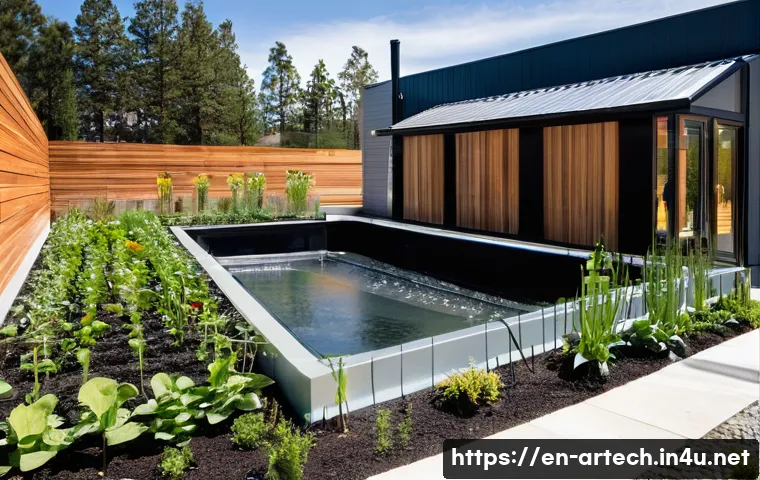
It’s truly amazing how buildings are becoming increasingly water-efficient, not just by using low-flow fixtures, but by implementing comprehensive strategies for collection, recycling, and responsible discharge.
For me, seeing a skyscraper in downtown Los Angeles that collects and treats all its own greywater for landscape irrigation was a wake-up call. It made me realize the immense potential for self-sufficiency even in dense urban environments.
This isn’t just about conserving a finite resource; it’s about resilience, about preparing for a future where water scarcity might become a more prevalent challenge.
The beauty of these systems is how they often integrate seamlessly into the building’s design, working quietly and efficiently to preserve this invaluable commodity.
Rainwater Harvesting: A Simple Yet Powerful Solution
Rainwater harvesting is one of those timeless, elegant solutions that architectural engineers are modernizing and integrating into contemporary designs.
It’s literally collecting the rain that falls on a building’s roof and diverting it for non-potable uses like landscape irrigation, toilet flushing, and even laundry.
I remember visiting a community center in Portland, Oregon, where the rainwater was collected in a beautifully designed visible cistern, becoming an educational feature in itself.
It’s incredibly satisfying to see that seemingly simple act translated into significant water savings, especially in regions prone to droughts. The technology has advanced, too, with sophisticated filtration systems that ensure the collected water is clean and safe for its intended purpose.
It’s a prime example of how intelligent design can turn a natural occurrence into a valuable resource, reducing strain on municipal water supplies and promoting local water independence.
Greywater Recycling: Making Every Drop Count
If rainwater harvesting is about capturing water from the sky, greywater recycling is about maximizing the use of water *within* a building. Greywater refers to wastewater from sinks, showers, and laundry – essentially, water that hasn’t come into contact with human waste.
Instead of sending this relatively clean water straight down the drain, sustainable buildings are now designed to collect, filter, and reuse it for non-potable purposes.
Imagine all the water from your morning shower being used to flush your toilet later in the day, or to water your garden. I experienced a greywater system firsthand in an eco-lodge in Costa Rica, and it was a revelation – the idea that water could have multiple “lives” within a building felt so efficient and responsible.
It significantly reduces overall freshwater demand, especially in dry climates, and dramatically cuts down on wastewater discharge. It’s a powerful demonstration of closed-loop systems in action, truly making every drop count and fostering a deeper appreciation for our water resources.
Tech That Transforms: AI, IoT, and the Future of Sustainable Construction
The integration of cutting-edge technology like Artificial Intelligence (AI) and the Internet of Things (IoT) is truly revolutionizing sustainable building practices.
For someone like me who loves seeing innovation applied to real-world problems, this intersection is just incredibly exciting. It’s moving beyond static design and into dynamic, responsive, and truly intelligent buildings.
Imagine a building that learns your preferences, anticipates energy needs, and proactively adjusts its systems to optimize performance and minimize environmental impact.
That’s not a far-off dream anymore; it’s happening right now. Architectural engineers are leveraging these digital tools to create structures that are not only efficient but also highly adaptive and resilient.
This digital transformation is accelerating our journey towards a truly sustainable built environment, making buildings smarter, greener, and ultimately, more livable.
Predictive Analytics: Smarter Energy Management
One of the most impactful applications of AI and IoT in sustainable buildings is through predictive analytics for energy management. These systems collect vast amounts of data from sensors throughout a building – temperature, occupancy, light levels, weather forecasts – and use AI algorithms to predict future energy demands.
This allows the building’s systems to optimize heating, cooling, lighting, and ventilation proactively, rather than reactively. I’ve seen this in action in a commercial office building in London, where the smart system learned daily occupancy patterns and local weather, pre-cooling certain zones during off-peak hours to reduce energy spikes later in the day.
It’s incredibly efficient, reducing energy waste significantly and lowering operating costs. It’s like having a super-intelligent brain constantly working to make your building perform at its absolute greenest, adapting to changing conditions in real-time.
Digital Twins: Optimizing Performance from Blueprint to Beyond
Digital twins are another fascinating technological leap forward. Essentially, a digital twin is a virtual replica of a physical building, constantly updated with real-time data from sensors within the actual structure.
This creates a living, breathing model that architects and engineers can use to monitor performance, simulate scenarios, and optimize operations throughout the building’s entire lifecycle.
I recently read about a university campus using digital twins to track energy consumption in every single building, identify inefficiencies, and even predict potential maintenance issues before they arise.
It’s an incredibly powerful tool for continuous improvement, allowing for proactive adjustments that enhance energy efficiency, reduce waste, and extend the lifespan of building components.
This technology empowers us to not just build sustainably, but to *operate* sustainably, ensuring that a building remains high-performing and environmentally friendly for decades to come.
The Human Element: Cultivating a Culture of Sustainability
While technology and innovative design are undeniably crucial, the success of sustainable building ultimately hinges on people. It’s about cultivating a culture of sustainability, inspiring the next generation of builders, and engaging communities in the process.
When I reflect on my own journey, it’s the passionate individuals – the architectural engineers, the material scientists, the community advocates – who truly bring these green visions to life.
Their dedication and collaborative spirit are what transform blueprints into living, breathing structures that benefit everyone. This isn’t just about technical solutions; it’s about a shared vision and a collective commitment to building a better future.
Without the human element, all the incredible technology and design principles would simply remain concepts on paper. It’s the people who breathe life into these ideas and make a tangible difference in our world.
Educating the Next Generation of Green Builders
One of the most vital aspects of advancing sustainable architecture is ensuring that the next generation of professionals is equipped with the knowledge, skills, and passion to continue this important work.
Universities and vocational programs are increasingly incorporating sustainable design, green building certifications, and circular economy principles into their curricula.
I had the privilege of guest lecturing at a local architecture school last year, and the students’ enthusiasm for sustainable solutions was truly inspiring.
They weren’t just learning about energy modeling or renewable materials; they were actively designing net-positive buildings and exploring innovative ways to integrate nature into urban environments.
This focus on education is creating a pipeline of talent that will continue to push the boundaries of what’s possible, ensuring that sustainable building remains at the forefront of architectural innovation for years to come.
Community Engagement: Building a Sustainable Future Together
Sustainable building isn’t just about individual structures; it’s about creating sustainable communities. And that requires genuine engagement with the people who will live, work, and play in these environments.
When communities are involved in the planning and design process, the resulting projects are often more successful, more resilient, and truly reflect the needs and aspirations of the residents.
I’ve seen incredible examples of this, from neighborhood co-ops building their own energy-efficient housing to urban gardens integrated into mixed-use developments, fostering a sense of shared responsibility and pride.
It’s about empowering people to be part of the solution, creating spaces that foster social cohesion and environmental stewardship. Ultimately, a truly sustainable future is one that is built together, with open dialogue, shared goals, and a collective commitment to the well-being of both people and the planet.
| Sustainable Building Technology | Key Benefit | Real-World Example / Impact |
|---|---|---|
| Net-Zero Energy Design | Achieves energy independence, eliminates utility bills. | Buildings generating more energy than consumed, selling excess back to the grid. |
| Biophilic Design | Enhances human well-being, reduces stress, improves productivity. | Incorporating natural light, indoor plants, and natural patterns in offices and hospitals. |
| Rainwater Harvesting | Conserves potable water, reduces strain on municipal supplies. | Collecting rainwater for landscape irrigation, toilet flushing, and cooling towers. |
| Smart Materials (e.g., Self-Healing Concrete) | Extends material lifespan, reduces maintenance and resource consumption. | Concrete with bacterial agents that repair cracks automatically. |
| Greywater Recycling | Maximizes water reuse, reduces wastewater discharge. | Recycling shower and sink water for irrigation or toilet flushing. |
| Building Integrated Photovoltaics (BIPV) | Seamlessly integrates solar energy generation into building aesthetics. | Solar cells embedded in facades, roofs, or windows, virtually invisible. |
Concluding Thoughts
It’s truly been a journey exploring the incredible world of sustainable architectural engineering. As someone who’s constantly captivated by how innovation can genuinely better our world, diving into these topics really fuels my passion.
We’ve seen that building a greener tomorrow isn’t just a lofty ideal; it’s a tangible reality being crafted brick by sustainable brick, by brilliant minds who genuinely care about our planet and our future.
It’s about designing with intention, about rethinking our relationship with resources, and about creating spaces that don’t just exist, but thrive and contribute positively to everything around them.
This isn’t just about saving energy or reducing waste; it’s about fundamentally reshaping how we interact with our environment and ensuring a healthier, more vibrant world for generations to come.
I hope this deep dive has sparked as much excitement in you as it has in me, inspiring you to look at every building with new, greener eyes.
Useful Information to Know
1. When considering a home renovation or new build, always prioritize energy efficiency. Look for certifications like LEED or Passive House standards. These aren’t just fancy labels; they represent a commitment to superior insulation, smart window choices, and efficient HVAC systems that will drastically reduce your long-term energy bills and carbon footprint. It’s an investment that truly pays off, both financially and environmentally, creating a comfortable living space that’s also kind to the planet. I remember when I first upgraded my windows to triple-pane glass; the difference in my winter heating bill was astonishing, not to mention the quiet peace it brought to my home.
2. Don’t underestimate the power of biophilic design in your own space. Even small changes, like adding more indoor plants, maximizing natural light, or choosing natural materials for your decor, can profoundly impact your mood and productivity. Studies consistently show that a connection to nature reduces stress and improves cognitive function. It’s about creating an environment that nurtures your well-being, turning your home or office into a more restorative sanctuary. Try positioning your desk near a window, or incorporating a small indoor water feature – you’ll be amazed at the difference it makes to your daily outlook and overall sense of calm.
3. Explore local incentives and rebates for sustainable upgrades. Many cities, states, and even utility companies offer financial assistance for things like solar panel installation, energy-efficient appliance purchases, or water-saving fixtures. These programs can significantly reduce the upfront cost of going green, making sustainable living more accessible and affordable for everyone. A quick search on your local government’s website or contacting your energy provider can reveal a treasure trove of opportunities you might not even know exist, helping you make those eco-friendly choices without breaking the bank.
4. Be mindful of the materials you bring into your home. Look for products with low volatile organic compound (VOC) emissions for paints, flooring, and furniture to ensure better indoor air quality. Also, consider materials that are recycled, renewable, or locally sourced, reducing the environmental impact associated with manufacturing and transportation. It’s about being a conscious consumer, making choices that not only look good but also contribute to a healthier indoor environment for you and your family, and a healthier planet overall. Small choices, when multiplied, truly make a massive difference.
5. Embrace smart home technology for energy and water management. Devices like smart thermostats, intelligent lighting systems, and water leak detectors can help you monitor and optimize your consumption in real-time. These tools empower you to take control of your resource usage, often leading to significant savings and a reduced environmental footprint. From personal experience, a smart thermostat that learns my schedule and adjusts temperatures accordingly has been a game-changer for my energy bills, and it’s one of those “set it and forget it” technologies that truly makes sustainable living effortless.
Key Takeaways
At the heart of sustainable architectural engineering lies a profound commitment to harmony – balancing human needs with the planet’s capacity. We’ve journeyed through how this field is moving beyond mere efficiency, evolving into regenerative design that actively gives back to the environment. The innovative use of smart materials, the pursuit of energy independence through net-zero and net-positive buildings, and the ingenious application of circular economy principles are fundamentally transforming construction from a resource-intensive process into a model of sustainability. Furthermore, the focus on healthier indoor environments, driven by advanced ventilation and biophilic design, underscores a holistic approach that prioritizes human well-being alongside ecological health. Finally, the integration of AI and IoT is bringing an unprecedented level of intelligence and responsiveness to our buildings, making them dynamic partners in our sustainable future. This multifaceted revolution, fueled by human ingenuity and a shared vision, isn’t just building structures; it’s building a legacy of stewardship and resilience for generations to come, reminding us that with every design choice, we have the power to shape a brighter tomorrow.
Frequently Asked Questions (FAQ) 📖
Q: So, what exactly are these “sustainable building technologies” we keep hearing about, and why are they such a big deal right now?
A: Oh, that’s a fantastic question and one I get asked all the time! When we talk about sustainable building technologies, we’re really talking about a whole toolkit of innovative approaches and materials designed to reduce a building’s environmental impact throughout its entire lifecycle—from how it’s designed and constructed to how it’s operated and even decommissioned.
It’s truly a paradigm shift from just throwing up four walls and a roof. Think about it this way: instead of simply using less energy, we’re now designing buildings that generate their own energy, like those incredible solar panels on rooftops that aren’t just an afterthought but an integrated part of the design.
Or consider smart HVAC systems that learn your patterns and adjust heating and cooling automatically, saving a ton of power without you even noticing.
For me, it’s about making our spaces smarter, healthier, and more in tune with the planet. It’s a big deal because the building sector is a huge contributor to global emissions, and by embracing these technologies, we’re not just saving money on utility bills; we’re actively building a healthier future for everyone.
It truly feels like we’re moving from just “being less bad” to actively “doing good” for our environment, and honestly, that’s incredibly exciting to witness.
Q: Net-zero buildings sound almost too good to be true. How do they actually manage to produce all the energy they consume, and what are some common features?
A: I totally get why net-zero might sound like a futuristic dream, but let me tell you, they are very much a vibrant reality, and I’ve seen some truly brilliant examples firsthand!
The core idea is brilliantly simple: a net-zero building generates as much energy as it consumes over the course of a year. How do they pull off this magic trick?
It’s usually a combination of super-efficient design and on-site renewable energy generation. Picture this: a building with incredibly thick, well-insulated walls and high-performance windows that keep heat in during winter and out during summer, drastically reducing the need for heating and air conditioning.
Then, they often integrate solar panels, typically on the roof or even as part of the facade, to generate clean electricity. Some even use geothermal systems to tap into the earth’s stable temperature for heating and cooling.
I’ve been so impressed by how architects and engineers meticulously calculate a building’s energy load and then design solutions to meet that demand, often incorporating natural light and ventilation to further cut down on energy use.
It’s a holistic approach, where every design choice, every material, and every system works together to create a self-sufficient and environmentally responsible structure.
It’s not just about slapping solar panels on; it’s about a deeply integrated, smart design from the ground up, and honestly, it’s a game-changer!
Q: You mentioned a shift from “less harmful” to “actively regenerative.” What does “regenerative architecture” mean, and what examples are we seeing of it in action?
A: That’s a crucial distinction, and I’m thrilled you picked up on it! For a long time, the focus in green building was primarily on minimizing negative impacts – using less energy, less water, fewer toxic materials.
That’s a great start, of course! But “regenerative architecture” takes it a magnificent step further. It’s about designing buildings and communities that don’t just reduce harm but actively restore and enhance the environment and local ecosystems around them.
Imagine a building that actually improves the air quality, purifies rainwater, or supports local biodiversity. It’s truly about creating a positive feedback loop.
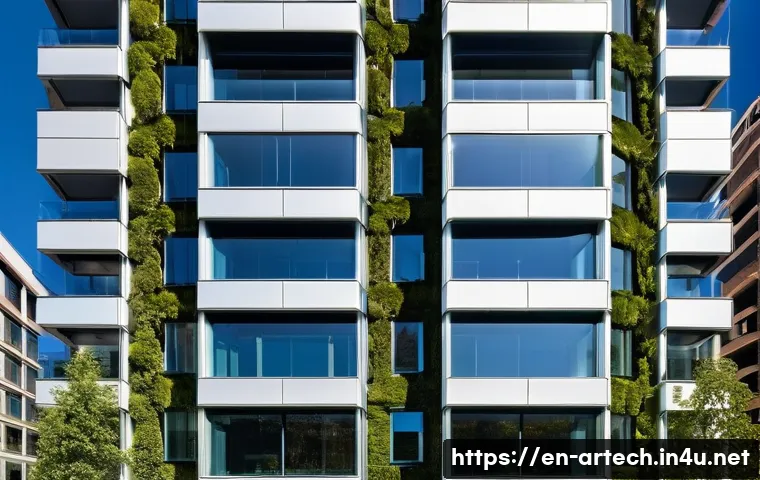
One of my favorite examples is living roofs or “green roofs.” They’re not just pretty; they absorb rainwater, insulate the building, provide habitats for pollinators, and even help reduce the urban heat island effect.
We’re also seeing buildings designed to integrate with natural water cycles, capturing and treating rainwater for reuse, or filtering greywater for irrigation.
Some pioneering projects are even using materials that sequester carbon or designing buildings that serve as community hubs, fostering social well-being alongside ecological health.
It’s about viewing our built environment as an integral part of nature, not separate from it. To me, it feels like we’re finally learning to build with nature, not just on it, and that mindset shift is where the real magic happens for our planet’s future.